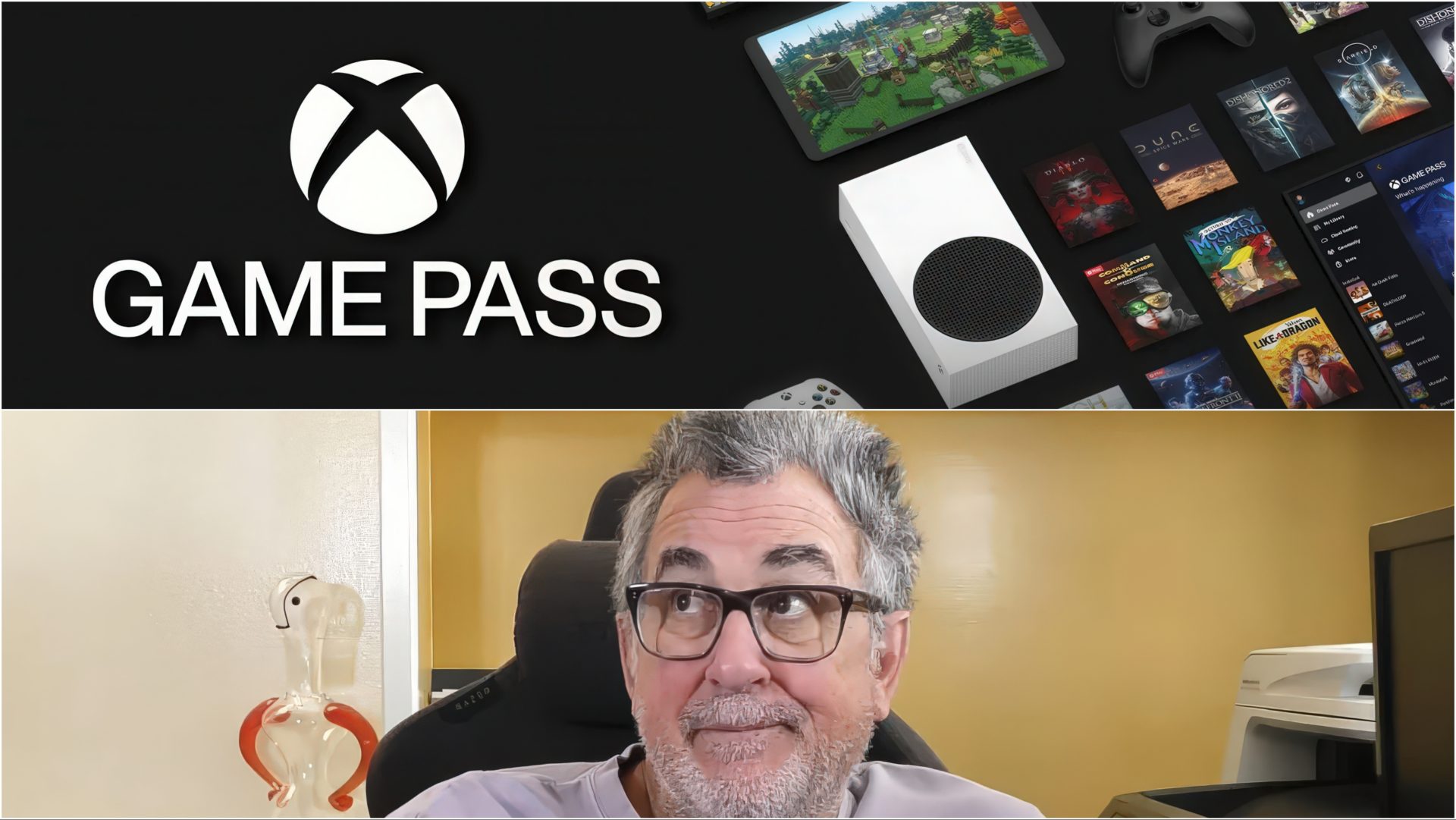
Pachter Declares Xbox Console "Dead" Due to Game Pass Strategy: A Deep Dive into Microsoft's Crossroads
In a bold and somewhat unexpected reversal of his previous stance, prominent Wedbush Securities analyst Michael Pachter has delivered a stark verdict on the future of Microsoft's gaming hardware: the Xbox console, he believes, is "dead." This pronouncement comes amidst growing industry debate and Microsoft's increasingly service-centric approach, particularly with its Game Pass subscription. Pachter attributes the console's demise directly to Microsoft's current Game Pass strategy, arguing that the company has "blown it" by embracing a model he now deems fundamentally flawed.
Pachter, known for his unfiltered commentary, has a history of making controversial predictions. In 2018, he famously critiqued loot boxes, and in 2022, he questioned Sony's acquisition of Bungie. More notably, he was a vocal proponent of Game Pass, predicting subscriber growth to 100 million and even 200 million within a decade, especially with the integration of Activision Blizzard titles. Yet, his latest comments represent a significant shift, suggesting that even a long-time observer and occasional advocate now sees a critical misstep in Microsoft's direction for its console division.
The Pachter Paradox: From Game Pass Champion to Console Critic
Michael Pachter's dramatic change of heart regarding Game Pass and its impact on the Xbox console's viability is the central talking point. Previously, he saw Game Pass as a powerful engine for growth, envisioning a future where millions flocked to the service for its vast library. His optimism was rooted in the potential for an "all-you-can-eat" model to attract a massive audience, particularly once high-profile games like those from Activision Blizzard were added.
However, Pachter now views the recent Game Pass restructuring and price increases, particularly for Game Pass Ultimate at $30 a month, as a fatal flaw. He critiques the "all or nothing" nature of the service, posing a critical question: "Why wouldn’t you sell EA Sports FC to the 100 million people who would like to play it but don’t want to buy a console?" His argument suggests a fundamental disconnect between Microsoft's subscription push and the broader gaming market, where many players might prefer to purchase individual titles or access games without the commitment of a high-priced monthly fee, especially if they don't own the dedicated hardware.
Pachter argues that Microsoft should have adopted a more flexible, "cafeteria" style approach, akin to Steam but for connectivity, or a much lower entry point of "10 bucks a month, all you can eat." He highlights the economic incongruity of a $360 annual subscription when a single game costs around $70, questioning the value proposition for many consumers. In his view, by pushing so aggressively into a premium, all-encompassing subscription, Microsoft has inadvertently undermined the very reason for owning an Xbox console, contributing to the perception that the xbox console is dead as a primary gaming device.
The Erosion of Console Value: A Consequence of Game Pass Dominance?
Pachter's analysis touches on a critical dilemma facing Microsoft: the inherent tension between a successful service strategy and the continued relevance of its proprietary hardware. The very strength of Game Pass – offering a vast library across console, PC, and cloud – arguably diminishes the unique selling proposition of the Xbox console itself. If players can access a substantial portion of the Xbox library through a Game Pass subscription on a PC they already own, or via cloud streaming on various devices, the incentive to invest in a dedicated Xbox Series X or S diminishes significantly.
This dynamic is evident in the performance of Xbox console hardware sales, which have lagged behind competitors over recent years. As Microsoft leans further into a multiplatform strategy, even bringing some first-party exclusives to rival consoles, the value proposition of owning an Xbox becomes increasingly blurred. This strategic shift, while potentially beneficial for Game Pass subscriber numbers and overall revenue, inadvertently supports the narrative that the xbox console is dead as a distinct and essential piece of gaming hardware.
Microsoft seems to be attempting to have its cake and eat it too – driving subscription revenue through Game Pass while also trying to sell consoles. However, Pachter's critique suggests this balance is proving elusive. The recent price hikes for Game Pass further complicate this, as they risk alienating existing subscribers who might no longer see the same value, especially if they perceive the console's unique offerings to be dwindling. This raises a crucial question for Microsoft: how can they justify the hardware's existence when its premier service is designed to transcend platform boundaries?
Echoes from Within and Retailer Reality: Confirming the Console's Bleak Outlook
Michael Pachter's strong words are not isolated. His sentiment finds an echo in other corners of the industry, further cementing the perception of a struggling Xbox console. Former Blizzard president Mike Ybarra, an ex-Microsoft executive, has also voiced concerns about Microsoft's strategic decisions. His sarcastic remark, "But hey, the console market isn’t a successful business. It is if you do it right," came after Sony celebrated a PS5 sales milestone, subtly implying that Microsoft isn't "doing it right" with its hardware strategy.
Beyond executive commentary, the real-world implications are stark. Reports have emerged suggesting that some major retailers have begun to cease stocking Xbox consoles. While not a universal trend, the fact that retailers are clearing out existing inventory and potentially not replenishing it speaks volumes. Retailers operate on profit and demand; if Xbox console sales aren't meeting expectations, or if the perceived value is low, they will naturally pivot. This tangible evidence from the marketplace lends significant weight to the argument that the xbox console is dead or, at the very least, facing severe challenges in maintaining its retail presence and consumer appeal. For more insights into this critical development, read our detailed analysis on Xbox Console Dead? Ex-Microsoft Exec & Retailers Suggest So.
The combination of internal industry critique and practical retail decisions paints a consistent picture. It suggests that the challenges facing the Xbox console are not merely theoretical or based on Pachter's evolving predictions, but are manifesting in real market behavior and strategic shifts that impact the very availability of the hardware. The absence of compelling, console-exclusive reasons to buy an Xbox, coupled with a subscription service that makes the console less "necessary," creates a difficult environment for hardware sales.
Microsoft's Strategic Crossroads: Can They Revive the Console?
Microsoft finds itself at a pivotal moment. The current strategy, heavily reliant on Game Pass and an increasingly multiplatform approach for its first-party titles, has undoubtedly brought success in some areas, particularly in expanding the reach of its gaming ecosystem. However, as Pachter and others argue, this success might be coming at the direct expense of the Xbox console's viability. Rumors suggest Microsoft might attempt to bolster Game Pass Ultimate's value proposition by adding more third-party or first-party services to justify the $30 price point. However, Pachter believes it might be "too late to turn the ship" if the fundamental model is perceived as flawed.
So, what can Microsoft do? The path forward is complex, demanding a delicate balance between ecosystem expansion and hardware differentiation. Here are a few considerations:
- Re-evaluate Game Pass Tiers: A more granular, flexible Game Pass structure could cater to different player types. Pachter's "cafeteria" model or a $10 "all you can eat" option for a core library, with premium add-ons for new releases, could be more appealing.
- Re-establish Console Value: This might involve investing in truly exclusive console features that cannot be replicated on PC or cloud, or even a return to a stronger emphasis on Xbox-only first-party titles for a period, though this conflicts with their current multiplatform push.
- Hardware Innovation: Future Xbox consoles need a compelling reason to exist beyond being a box to run Game Pass. This could involve innovative design, unique controller features, or superior performance that genuinely outpaces PC equivalents for a certain price point.
- Focus on Niche Markets: Perhaps Xbox can find success by targeting specific demographics or use cases, rather than trying to be a generalist console for everyone.
The question of Game Pass price hikes and their impact on console value is a critical one for Microsoft's future. For an in-depth look at this issue, explore our article on Game Pass Price Hikes: Is Microsoft Killing Xbox Console Value?
Conclusion: The End of an Era or a Strategic Evolution?
Michael Pachter's declaration that the xbox console is dead serves as a potent warning shot across Microsoft's bow. His analysis, coupled with the observations of former executives and the behavior of retailers, paints a challenging picture for the future of Xbox hardware. While Game Pass has undoubtedly broadened Microsoft's reach in the gaming world, its current iteration, particularly with recent price adjustments, appears to be cannibalizing the very hardware it was initially designed to support. The coming years will be crucial for Microsoft to demonstrate whether it can navigate this complex strategic crossroads, either by fundamentally reimagining the role of its console, adjusting its Game Pass model, or accepting a future where its gaming presence is primarily software and service-based, with dedicated hardware playing a secondary, perhaps even vestigial, role.